ice melt & solar salt
Ice melt (or de-icer) is a substance applied to surfaces to break the bond between ice and the ground, melting it into slush. It works by lowering the freezing point of water, creating a liquid brine solution that penetrates the ice and prevents it from
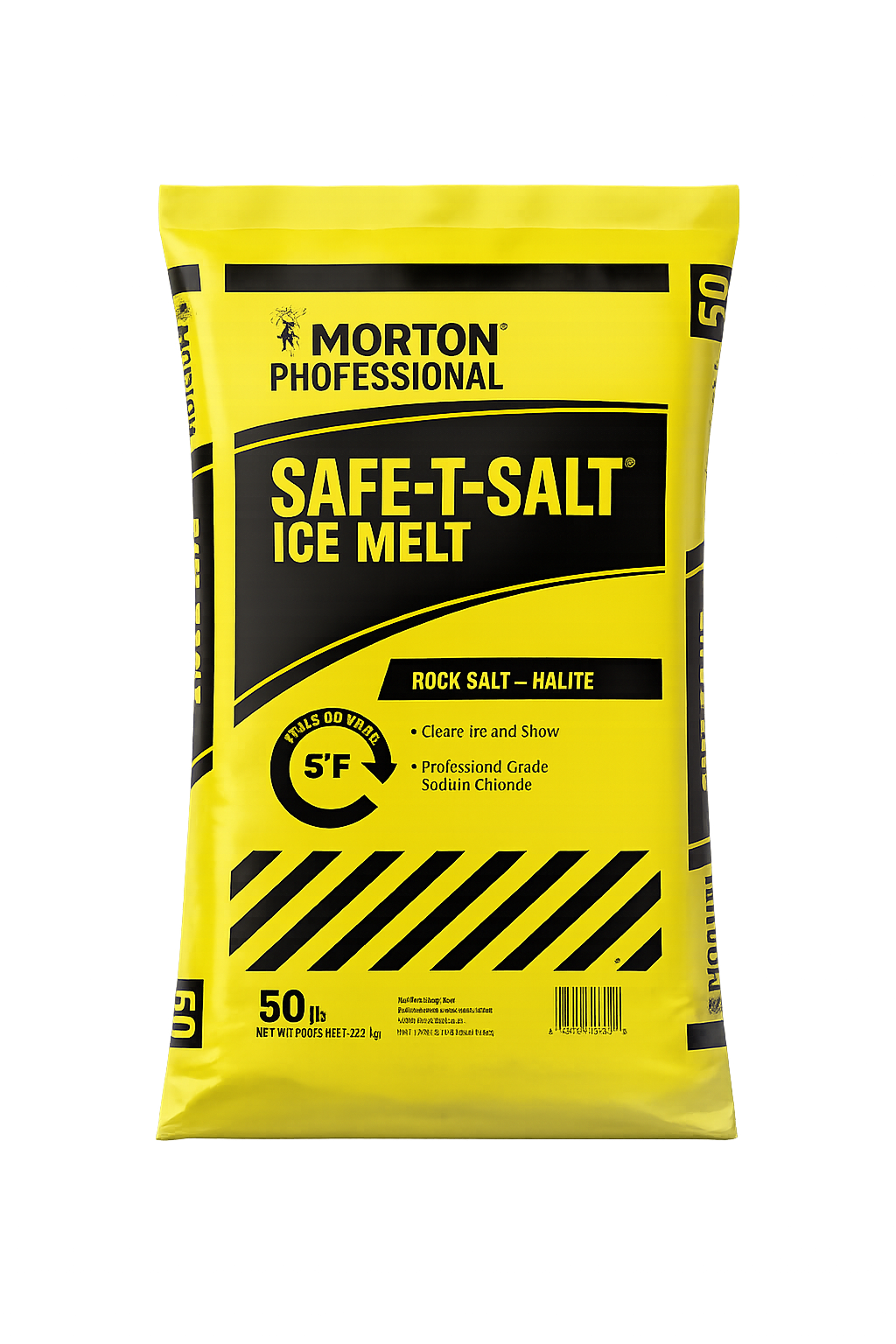
Sodium Chloride (Rock Salt)
Best for: Cost-effectiveness in mild climates.
Temperature limit: Effective down to 15°F to 20°F.
Considerations: Can corrode metal, damage plants, and pit new concrete.
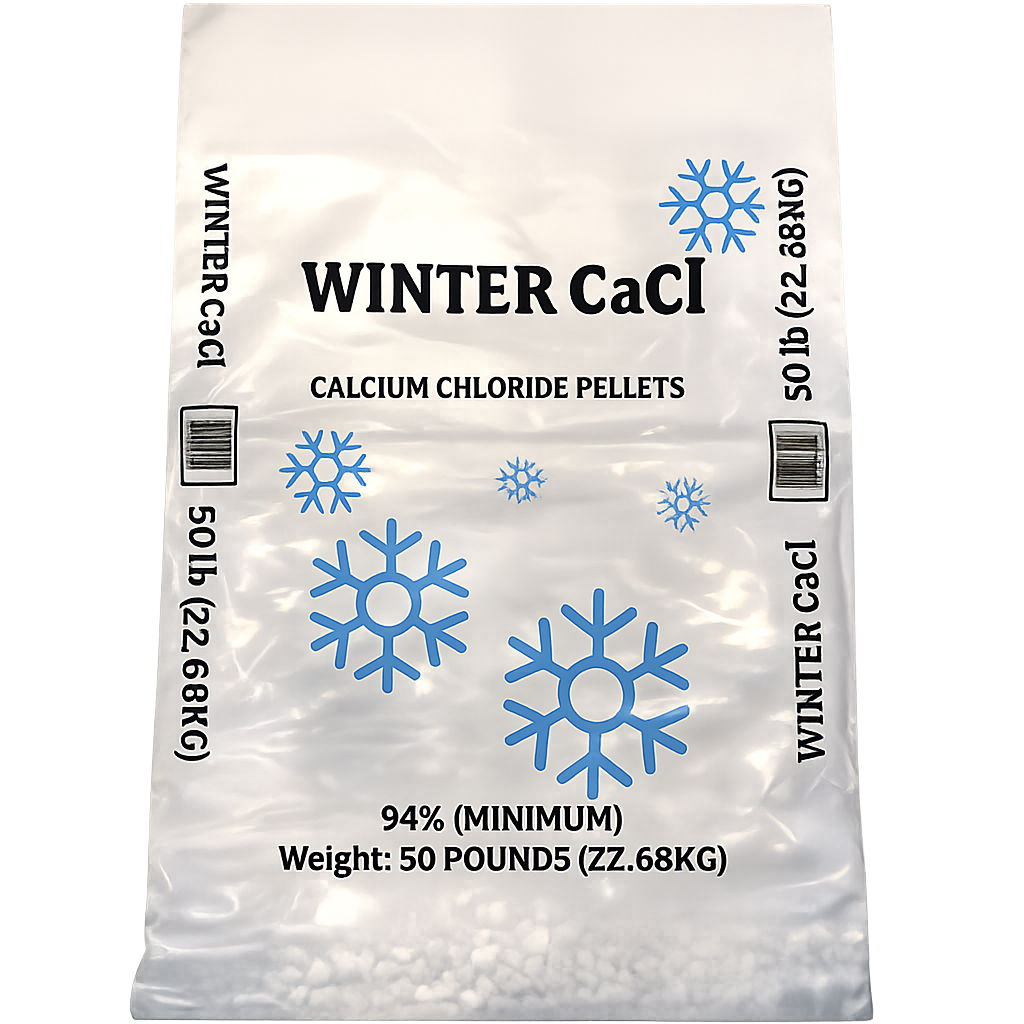
Calcium Chloride
Best for: Extremely cold, freezing conditions.
Temperature limit: Works down to -20°F to -25°F.
Considerations: Exothermic (generates heat). It melts ice quickly but can harm vegetation and corrode metal if used heavily.
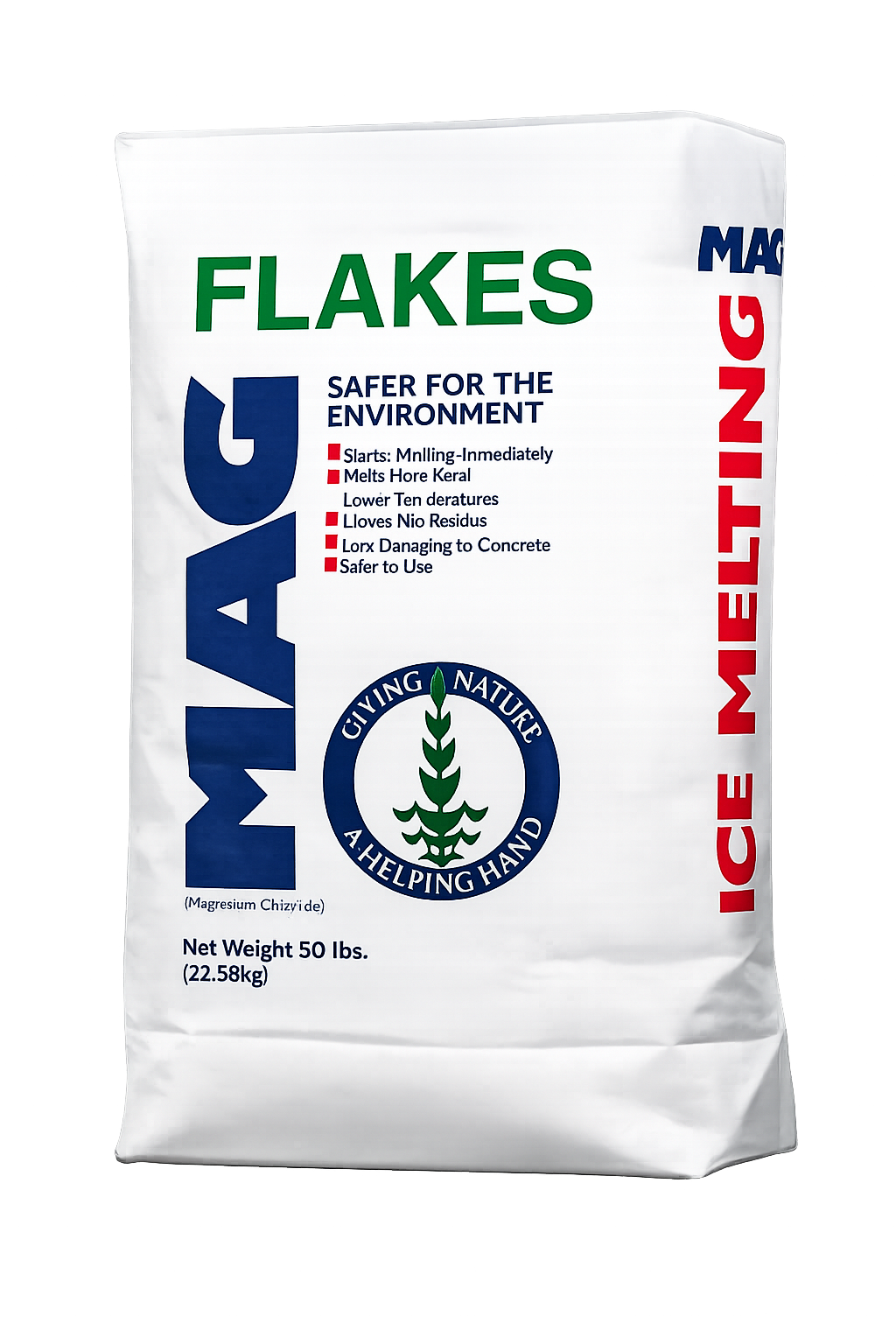
Magnesium Chloride
Best for: Areas with pets and landscaping.
Temperature limit: Effective down to -13°F.
Considerations: Less corrosive to concrete and metal than rock salt, making it a popular all-rounder.
Calcium Magnesium Acetate (CMA)
Best for: Eco-friendly and pet-safe applications.
Temperature limit: Works best above 20°F.
Considerations: Biodegradable and less corrosive to surfaces, though it is usually more expensive.
Potassium Chloride & Urea
Best for: Milder winter temperatures.
Temperature limit: Effective down to 12°F to 15°F.
Considerations: Often sold as pet-safe, but Urea is a fertilizer that can cause issues with algae blooms in nearby waterways if overused.
CONTACT US ABOUT CONTRACTORS EARLY BUY & BULK DISCOUNTS
popular ice melt types & effectiveness
Understanding the differences between common ice melt formulations will help you protect your concrete, landscaping, and pets.
Sodium Chloride (Rock Salt): The most budget-friendly option, but it stops working below 15°F and can easily pit or damage concrete and burn nearby vegetation.
Calcium Chloride: One of the most effective compounds, working rapidly even in extreme cold (down to -25°F). However, it is harsher on skin and less safe for pets.
Magnesium Chloride: A great middle-ground for suburban areas. It stays effective to -13°F and is significantly less corrosive to concrete and metals than rock salt.