fertilizer & lime
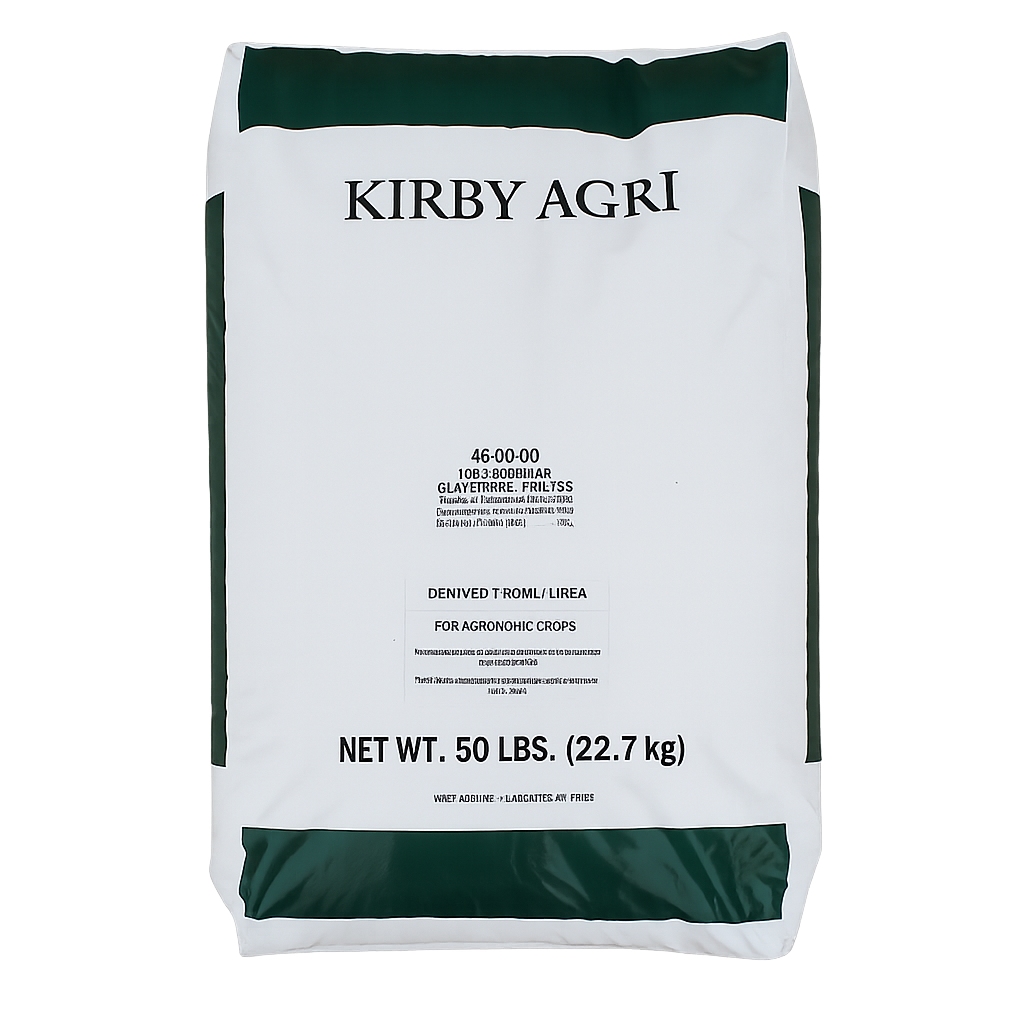
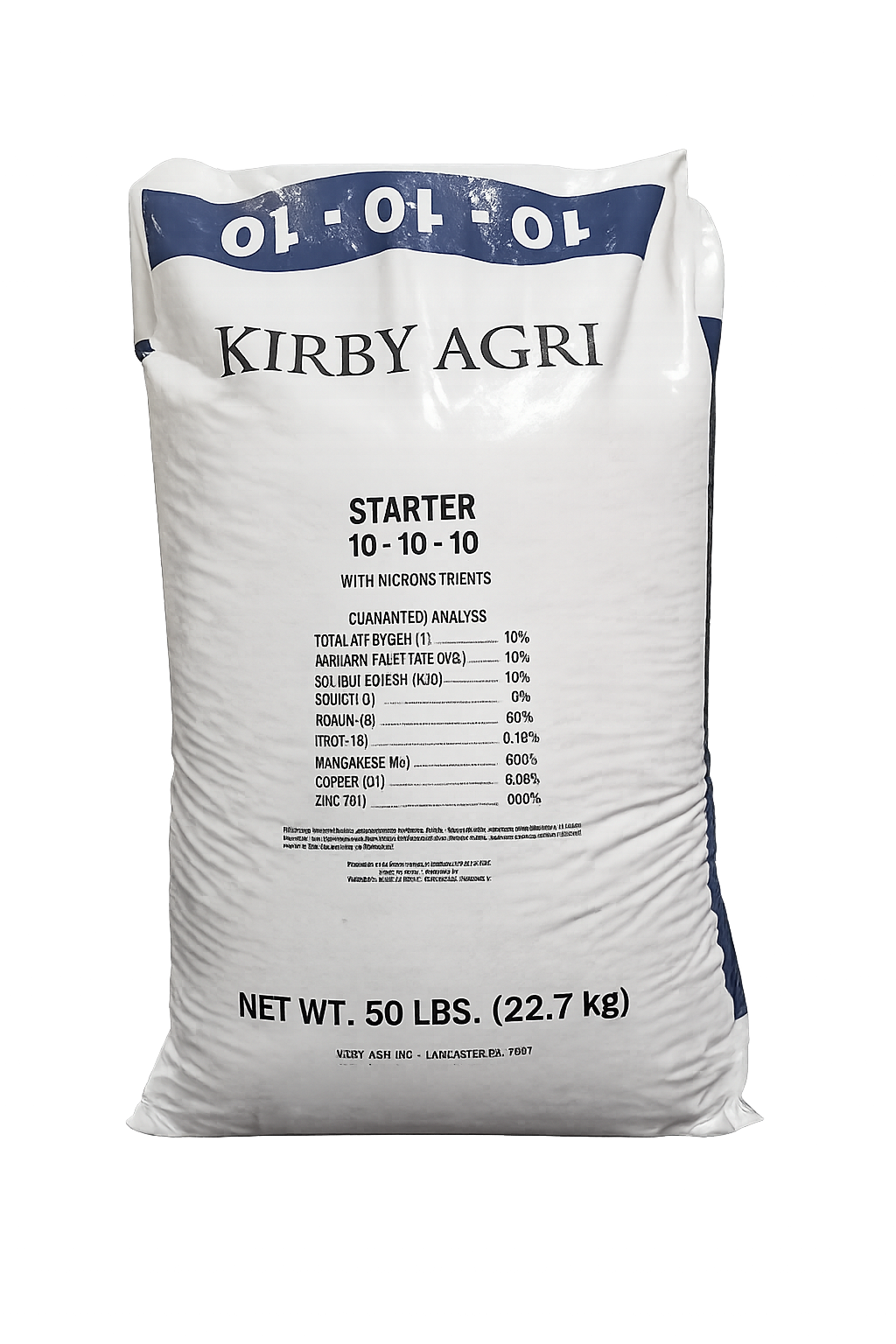
Fertilizer is any material added to soil or plants to supply essential chemical elements for agriculture and growth. The three primary macronutrients are nitrogen, phosphorus, and potassium.
Fertilizer
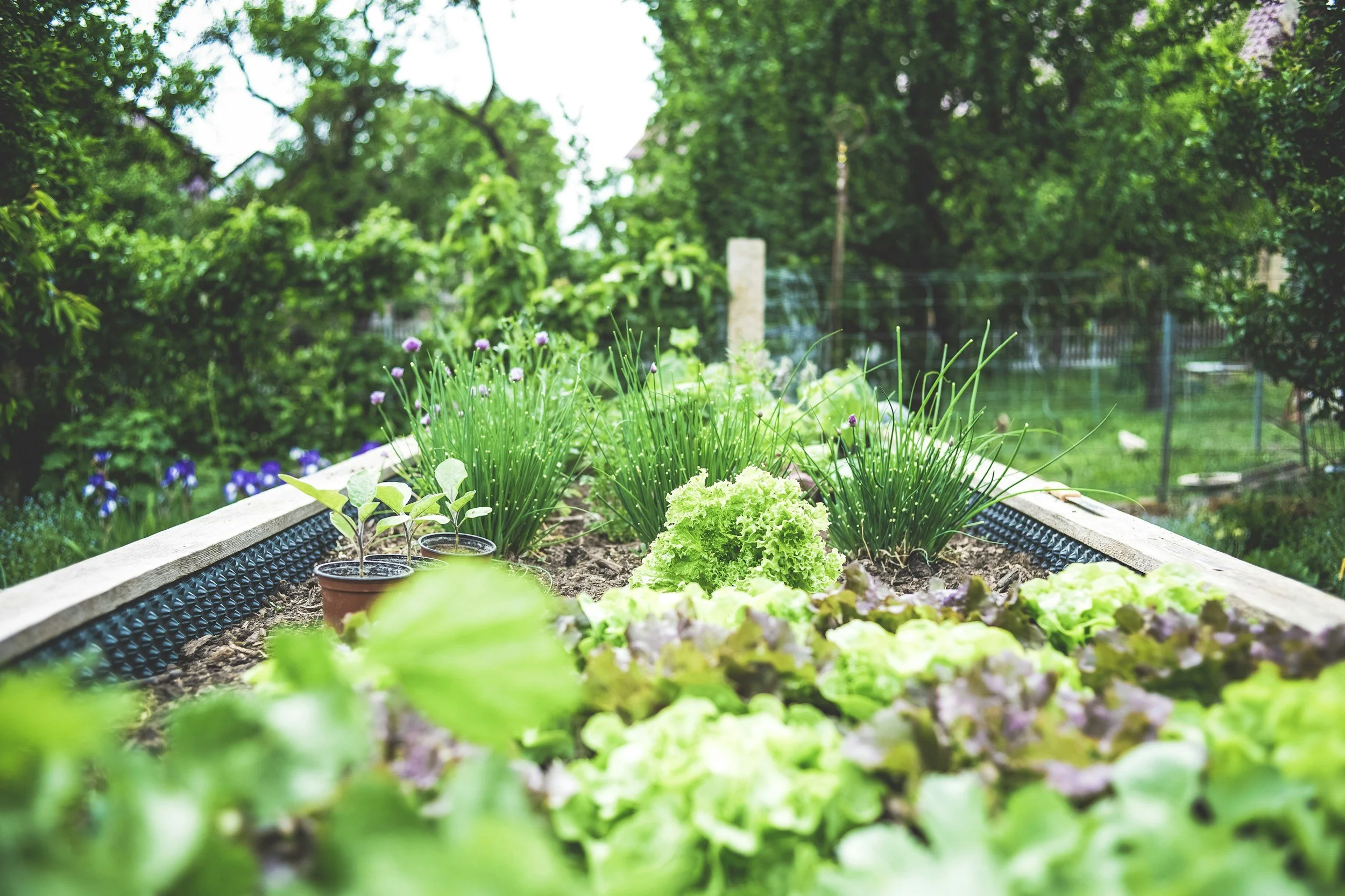
Healthy plants start with healthy soil. Whether you’re growing a garden, caring for your lawn, or maintaining flower beds, fertilizer provides the essential nutrients plants need to grow strong and healthy. Proper fertilization encourages greener lawns, stronger roots, healthier plants, and higher yields from your garden.
Lime
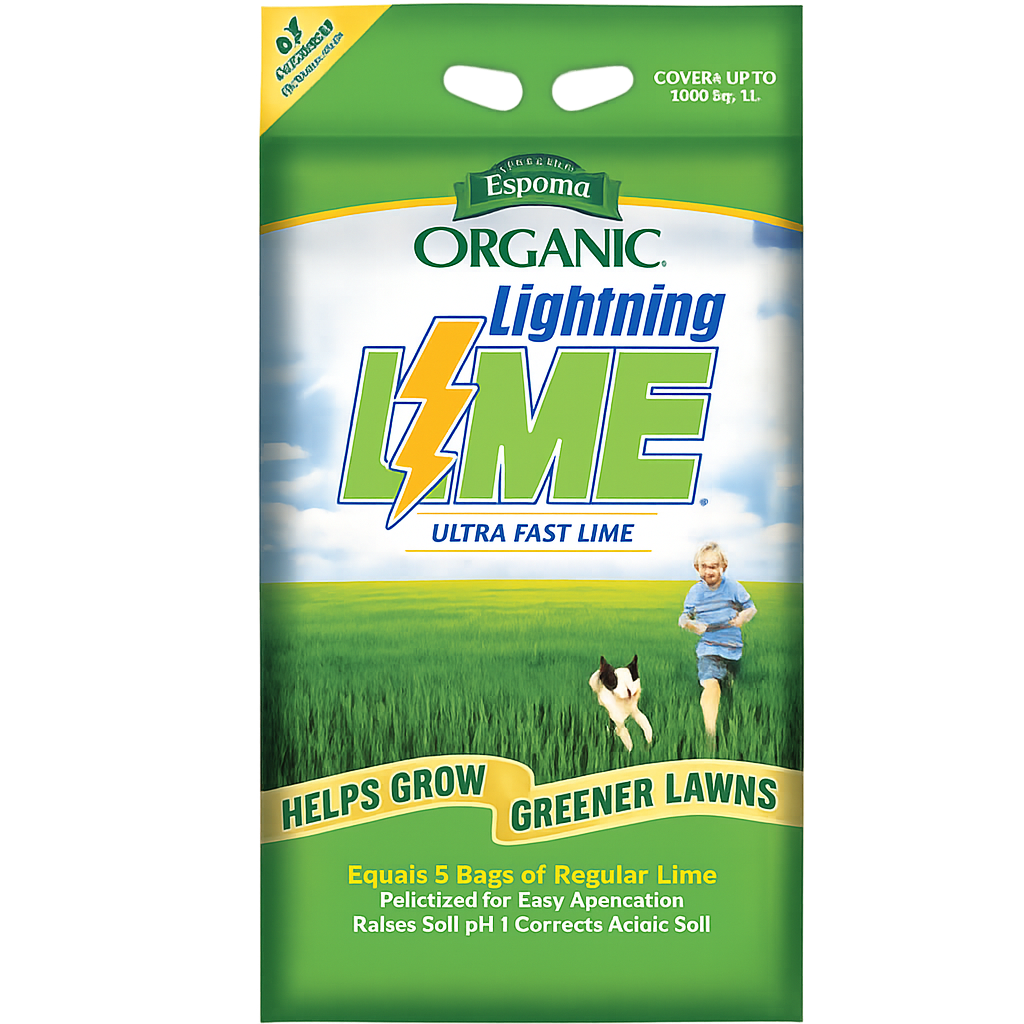
Lime helps improve your soil by correcting soil acidity (pH), allowing plants to absorb nutrients more efficiently. It also supplies important minerals like calcium and magnesium that promote healthy plant growth. Applying lime when needed helps maximize the effectiveness of fertilizer and supports long-term soil health.
What Lime Does
Neutralizes Acidity: Raises low soil pH (acidic soil) closer to a neutral target range of 6.0 to 7.0.
Boosts Nutrient Uptake: Helps grass and plants absorb nitrogen, phosphorus, and potassium effectively.
Supplies Minerals: Adds essential calcium, and dolomitic variants add magnesium.
Supports Microbes: Creates a healthy environment for soil microorganisms to break down thatch and organic matter.
Types of Lime
Calcitic Lime: Made from crushed limestone; rich in calcium.
Dolomitic Lime: Contains both calcium and magnesium; ideal for magnesium-deficient soils.
Pelletized Lime: Crushed limestone shaped into dust-free pellets; easy to spread using standard equipment.
Hydrated Lime: Fast-acting chemical form; rarely used on lawns because it can easily burn plants.
Application Tips
Test First: Check your soil pH with a test kit from a local extension office before applying.
Best Timing: Apply in early fall or spring when rain can wash the product into the soil.
Spreading: Use a drop or broadcast spreader for even coverage, then water the area lightly.
Not Sure What You Need?
Every lawn and garden is different. At Hougar Farms, we’re here to help you choose the right fertilizer, determine if lime is needed, and recommend products that fit your specific lawn, garden, or landscape. Stop by or contact us—we’re happy to help you grow success from the ground up!
Major Nutrients (NPK)
Nitrogen (N): Drives leafy, green top growth and vital protein development.
Phosphorus (P): Supports strong root formation, blooming, and energy transfer.
Potassium (K): Improves overall plant resilience, water regulation, and disease resistance.
Common Types
Organic: Derived from natural sources like animal manure, blood meal, and compost that feed soil microbes.
Synthetic: Chemically manufactured compounds designed for rapid nutrient availability.
Granular vs. Liquid: Granular options break down slowly over time for long-term feeding, while water-soluble liquids act fast
LIME- (commonly called agricultural lime) is a soil amendment made from crushed limestone that raises soil pH to reduce acidity. While not a direct fertilizer providing primary nutrients like nitrogen, it unlocks locked-up nutrients so plants can feed properly.